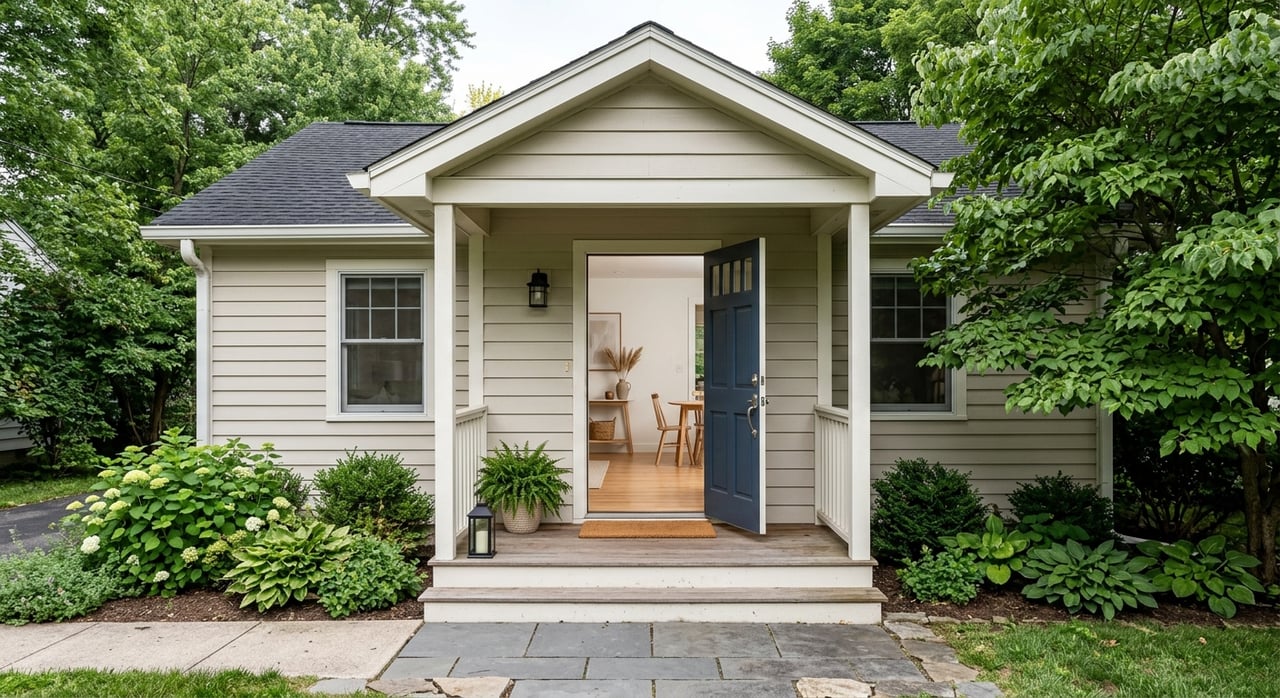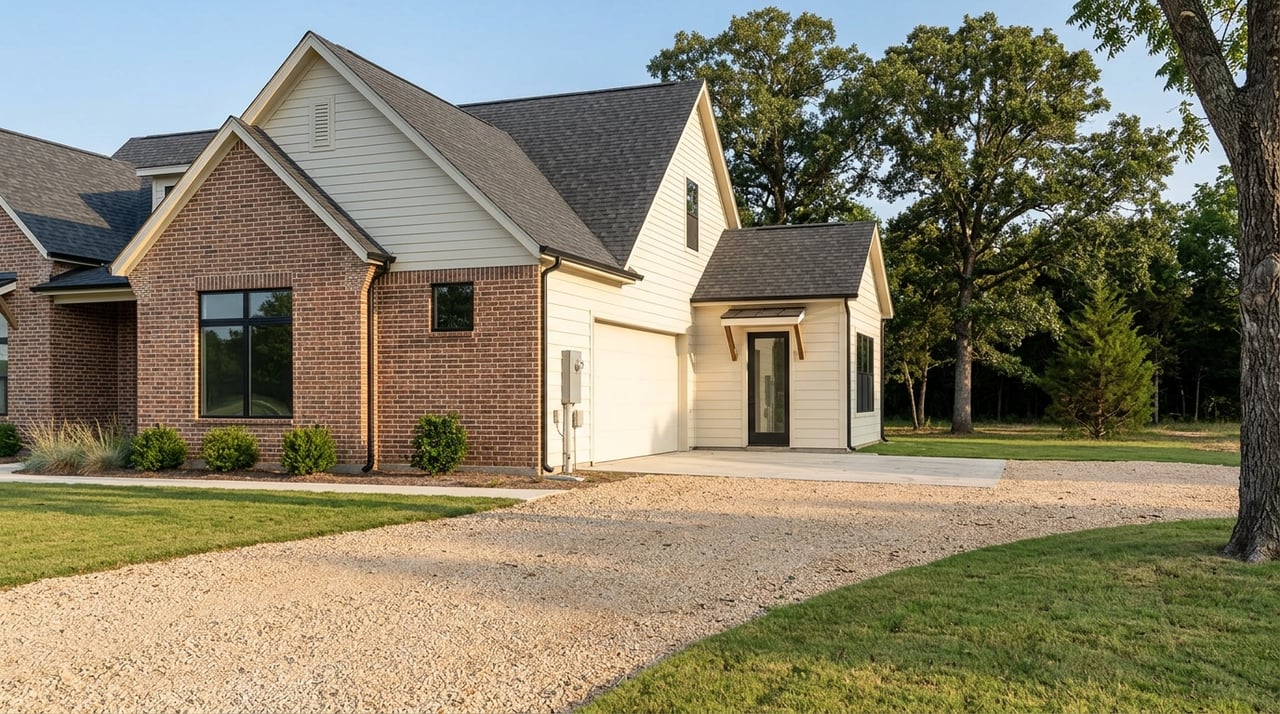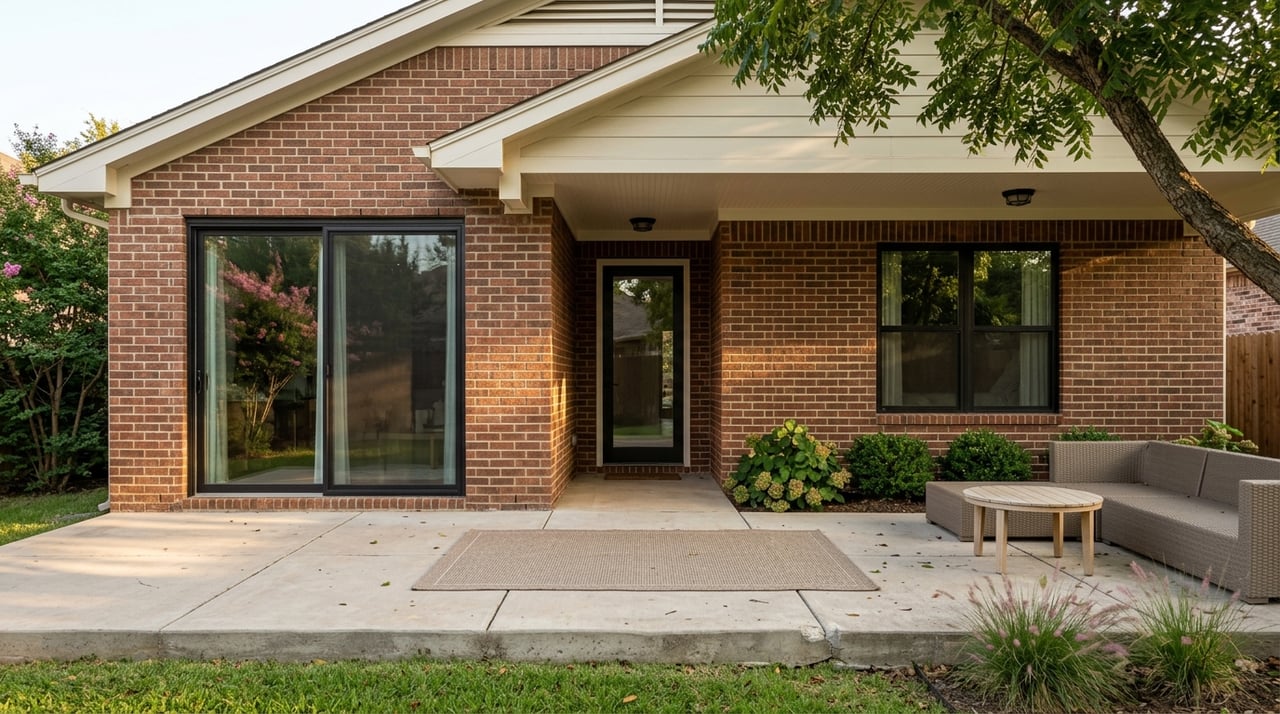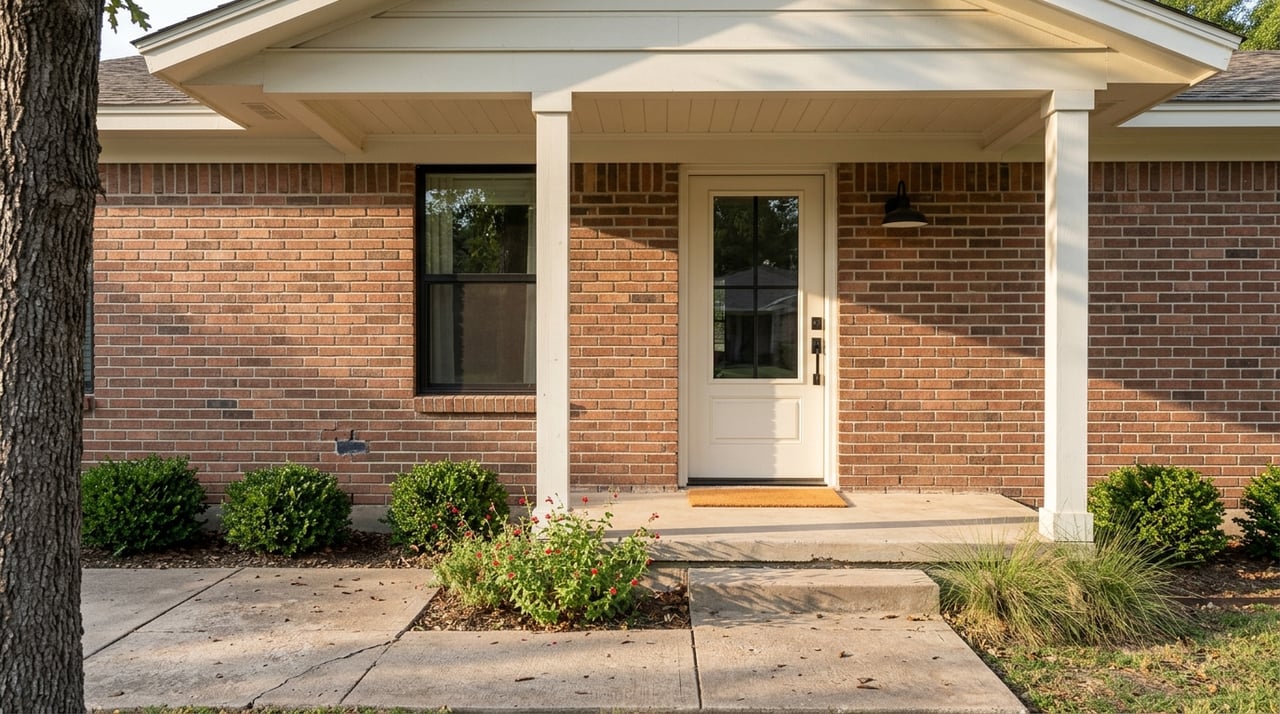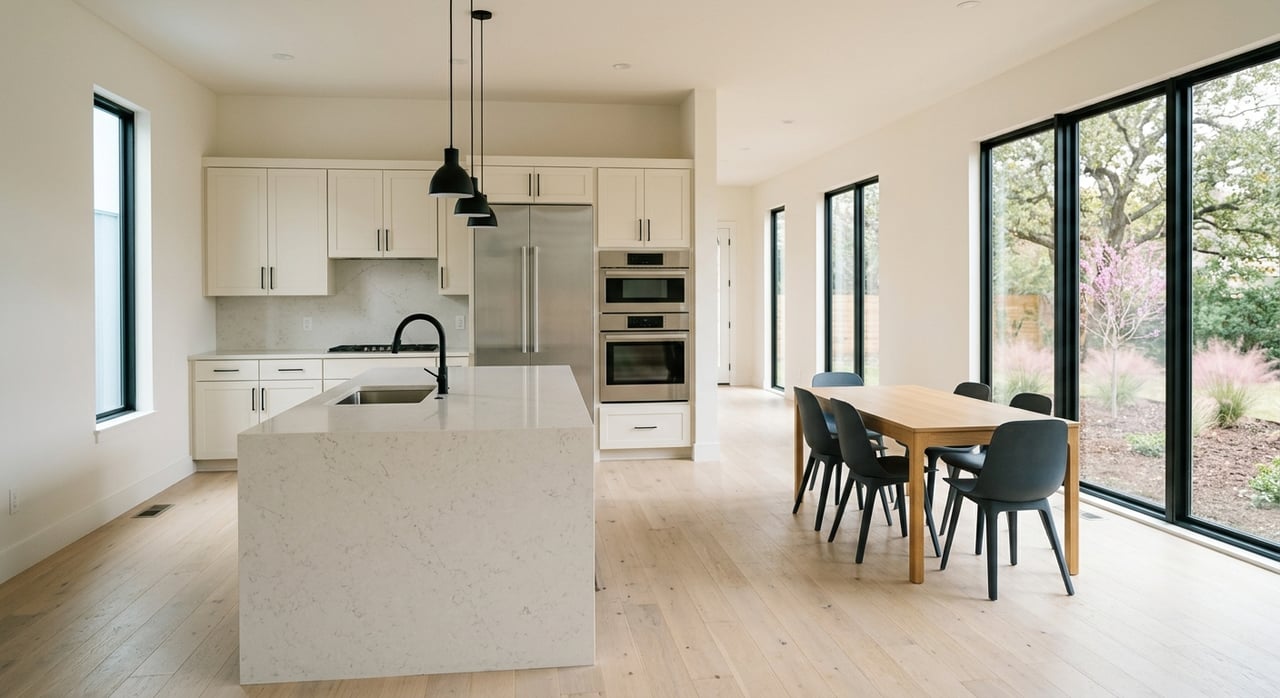
Thinking about buying a brand-new home in Edmond? It can feel exciting, but it also comes with decisions that move faster than many buyers expect. When you buy new construction, timing, contract details, and upgrade choices can affect your budget, your closing timeline, and your long-term comfort. This guide walks you through what to watch for in Edmond, how Oklahoma new-construction contracts work, and which upgrades may be worth stronger attention before you sign and move forward. Let’s dive in.
Why new construction works differently
Buying new construction in Edmond is not the same as buying a resale home. In Oklahoma, there is a separate New Home Construction contract form that is built around builder documents like plans, specifications, allowances, and addenda.
That matters because many of the most important terms are tied to what is written in those documents, not what was discussed casually in a model home. The contract form states that prior verbal or written negotiations are superseded by the contract unless they are later changed in writing.
Edmond permits matter early
In Edmond, ground-up single-family construction is treated as residential new construction. The city requires documents such as a plot plan, engineered footing design, elevation with dimensions, floor plan with dimensions, and braced wall information, along with separate electrical, plumbing, and mechanical permits.
Edmond also uses an online permitting portal for document submission, review, fee payment, and permit issuance. For some engineering-related work tied to utilities, drainage, roadways, or public right-of-way activity, the city requires a pre-construction meeting before work begins.
For you as a buyer, the takeaway is simple: many decisions happen well before the home looks finished. If you wait too long to review plans or make upgrade decisions, your options may narrow.
Know the contract before you commit
Review plans and specs quickly
Under Oklahoma’s New Home Construction form, if plans, specifications, allowances, or square-footage computations are not attached when you sign, you get a five-day review window once they are provided.
If you are not satisfied during that review period, the form allows cancellation. That gives you an important chance to confirm what you are actually buying, especially when the home is not yet complete.
Written details control the deal
New construction relies much more on written plans, specs, allowances, warranties, and change orders than a resale purchase does. Oklahoma law also says newly constructed, previously unoccupied homes are generally exempt from the standard property-condition disclosure requirements used in many resale transactions.
That means you should not expect the same type of seller disclosure process you may see in a resale home. Instead, your focus should be on what is included in writing, what is excluded, and how upgrades and changes are documented.
Understand base price vs upgrades
One of the biggest surprises in new construction is how quickly the price can move beyond the advertised base price. In many builder contracts, the final number depends on allowances, selected finishes, and written change orders.
Under Oklahoma’s new-home form, all changes, allowance overages, and alterations must be agreed to in writing, and the buyer must pay the extra cost before installation. Those payments are non-refundable, which is why upgrade decisions need to be made carefully and early.
Questions to ask about upgrades
Before you commit to any selection, ask:
- What is included in the base price?
- Which features come from an allowance rather than a fixed specification?
- Which upgrades require immediate payment before installation?
- Which changes are permanent and difficult to replace later?
- Which options are mainly cosmetic and easier to update after closing?
These questions can help you protect your budget and avoid paying premium builder pricing for items you could change later at a lower cost.
Upgrades with the best long-term value
In many cases, the smartest upgrades are the ones that are hard to retrofit later or that lower your monthly operating costs over time. That lines up with guidance from ENERGY STAR on thermal enclosure systems, which emphasizes efficiency, durability, and comfort.
Prioritize the home envelope
Upgrades related to air sealing, insulation, and high-performance windows often deserve strong consideration. These features can improve comfort, reduce drafts, and help lower utility costs year after year.
According to ENERGY STAR, certified homes are at least 10 percent more energy efficient than homes built to minimum code levels. The same guidance notes that studies indicate sales-price premiums of up to 8 percent for certified or similarly efficient homes.
Look closely at windows and HVAC
Windows can make a noticeable difference in Oklahoma’s climate. ENERGY STAR says replacing poor-performing windows can save about 13 percent on energy costs, and window replacement may retain about 65 to 75 percent of project cost at resale.
An efficient HVAC system also deserves attention because it affects comfort and monthly ownership costs. If you are deciding where to spend upgrade dollars, permanent systems usually offer longer-term value than style-specific finishes.
Consider water-saving and future-ready features
Water efficiency is also worth a look. The EPA says WaterSense-labeled new homes use 20 percent less water than typical new homes, which can mean about 50,000 gallons saved per year and up to $600 in annual utility savings for a family of four.
Practical features are also getting more buyer attention. Realtor.com’s 2025 housing trend analysis highlights growing interest in home office space, covered patios, smart and connected features, EV charging, and hardwired ethernet or Cat6.
Save cosmetic upgrades for later when possible
If your budget is limited, be cautious about overspending on highly personal finishes that are easier to change after closing. Paint colors, some light fixtures, and certain decorative details may not offer the same long-term value as windows, insulation, HVAC, or future-ready wiring.
A helpful rule of thumb is this: spend first on what is behind the walls, in the systems, or expensive to replace later.
Inspections still matter on a brand-new home
A new home is still a home under construction, and it should still be inspected. Oklahoma’s new-home form allows investigations and inspections covering items such as roof, fixtures and systems, termites, insulation disclosure, structural issues, square footage, flood or storm-water history, use restrictions, and more.
The form also says buyers may use Oklahoma-licensed home inspectors, licensed architects, registered engineers, craftspeople, and other qualified people. That is a strong reminder that new does not automatically mean defect-free.
City inspections are not the same thing
Edmond’s permit and inspection process helps confirm code compliance, but it does not replace an independent buyer inspection. The city’s role and your private inspectors serve different purposes.
It is best to think of them as complementary. City inspections support the permitting process, while your inspector is focused on helping you evaluate the home from your side of the transaction.
Timing from contract to closing
New-construction timing can feel less predictable than a resale purchase. Weather, materials, labor scheduling, inspections, and change orders can all affect progress.
In Edmond, the city’s process includes plan submission, review, fee payment, and permit issuance before work can proceed. Depending on the project, pre-construction coordination may also be required before work starts.
Plan for review windows
The Oklahoma contract gives you key review and inspection windows, and those dates matter. If blanks are left empty, the new-home form provides a default 10-day investigation and inspection period.
That means you should be ready to review plans, allowances, warranty terms, restrictions, and title evidence promptly. A delayed review can create stress when build milestones are already moving forward.
Expect a punch list before closing
The contract requires a punch list to be delivered at least five days before closing. The seller is responsible for repairing defects, completing unfinished work, and addressing agreed punch-list items before closing when possible.
If some work cannot be finished beforehand, the contract allows a reasonable post-closing completion period. This is one more reason it helps to stay organized and document concerns in writing.
Warranty terms deserve extra attention
Builder warranty language can carry more weight in a new-construction purchase than many buyers realize. Under the Oklahoma form, if the seller offers an additional warranty, a sample written warranty must be provided within five days of the time reference date.
If you are dissatisfied during the inspection window, the form allows cancellation. The contract also says the seller is not responsible for defects unless the buyer gives written notice identifying then-existing defects within 12 months after closing, so it is important to read the warranty and any builder addendum carefully.
Why buyer representation still helps
If you visit a builder model home on your own, it is easy to assume the on-site representative is there to guide everyone equally. In practice, that person represents the builder’s side of the transaction.
Oklahoma’s Disclosure of Brokerage Services explains that brokerage duties and responsibilities must be described in writing before the parties sign a contract. Those duties include honesty, reasonable skill and care, presenting written offers and counteroffers, confidentiality for certain information, and written disclosure of compensation and fees before the contract becomes effective.
For you, that means having your own representation can help you review builder documents, track timelines, understand what is in writing, and stay focused on your goals throughout the process.
A practical Edmond new-construction checklist
If you are buying new construction in Edmond, keep this short checklist handy:
- Confirm whether the home is truly new and previously unoccupied
- Review plans, specifications, allowances, and square-footage information
- Separate base-price items from upgrades and written change orders
- Prioritize permanent upgrades that are expensive to retrofit later
- Review warranty language and defect-notice deadlines carefully
- Schedule independent inspections even though the home is new
- Review deed restrictions, covenants, HOA documents, title evidence, and survey materials
- Track punch-list timing before closing
- Get all changes and promises in writing
Buying a new home in Edmond can be a great fit if you want modern finishes, lower maintenance, and the chance to personalize your space. The key is making your biggest decisions early, keeping everything in writing, and reviewing the contract and upgrade options with care. If you want a steady, high-touch guide through the process, Makenzie Mcelroy can help you navigate new construction with clear communication and local insight.
FAQs
What makes buying new construction in Edmond different from buying a resale home?
- New construction in Edmond uses a separate Oklahoma contract form and relies heavily on written plans, specs, allowances, warranties, and change orders rather than the resale-style disclosure process.
What upgrades should buyers prioritize in an Edmond new construction home?
- Buyers often get stronger long-term value from hard-to-retrofit items like insulation, air sealing, windows, HVAC efficiency, water-saving features, and future-ready wiring rather than purely cosmetic upgrades.
Do buyers need an inspection for a brand-new home in Edmond?
- Yes. The Oklahoma new-home contract specifically allows inspections and investigations, and Edmond’s city inspections do not replace an independent buyer inspection.
When should buyers make upgrade decisions on a new construction home in Edmond?
- Buyers should make major upgrade decisions as early as possible because changes must be in writing, paid before installation, and those upgrade payments are non-refundable under the Oklahoma form.
What should buyers review before closing on a new construction home in Edmond?
- Buyers should review the punch list, warranty terms, title evidence, survey or mortgage inspection report, deed restrictions, covenants, HOA documents, and any unfinished items scheduled for completion after closing.