Thinking about trading city traffic for open skies and extra elbow room? If you’re eyeing Thackerville near the Oklahoma–Texas line, you’re in good company. You want a clear picture of commute realities, housing options, and daily life before you make a move. This guide breaks it down simply, with practical tips and reliable resources so you can plan with confidence. Let’s dive in.
Where Thackerville fits on the map
Thackerville sits in southern Oklahoma, close to the state line with Texas, along a major north–south highway corridor that carries commuters, freight, and visitors. It’s part of Love County, a largely rural area with agriculture, small towns, and regional service centers within driving distance.
A destination resort and casino anchors local jobs and entertainment, while many residents work in agriculture, construction and trades, local government, and small businesses. Some households commute to nearby cities in both Oklahoma and Texas for expanded opportunities.
Commute and transportation
In a rural town like Thackerville, your primary mode is the car. Fixed-route public transit is limited or not available, so plan around driving for work, shopping, and appointments. For traffic updates, construction notices, and corridor projects, check the Oklahoma Department of Transportation before major trips.
Typical commute patterns
- Many residents work at the local resort or in nearby towns that host medical, retail, and light industrial employers.
- Cross-border commuting into northern Texas is common because of the town’s proximity to the state line.
- Weekend and holiday traffic can be heavier due to tourism. Freight traffic also shares the corridor.
Drive time tips
- Verify your door-to-door drive using a mapping app at the time of day you plan to commute.
- Check conditions when events are scheduled at the resort, as visitor traffic may add time.
- Consider a second route for weather days and road work.
Commute cost quick math
Estimate your monthly commute cost with three inputs:
- Round-trip distance x number of workdays
- Divide by your vehicle’s MPG
- Multiply gallons by your local average fuel price
Add your monthly car insurance and a cushion for maintenance and tires to get a realistic budget.
Housing: what you’ll find
Thackerville and its surroundings offer a rural mix of home types. You’ll see:
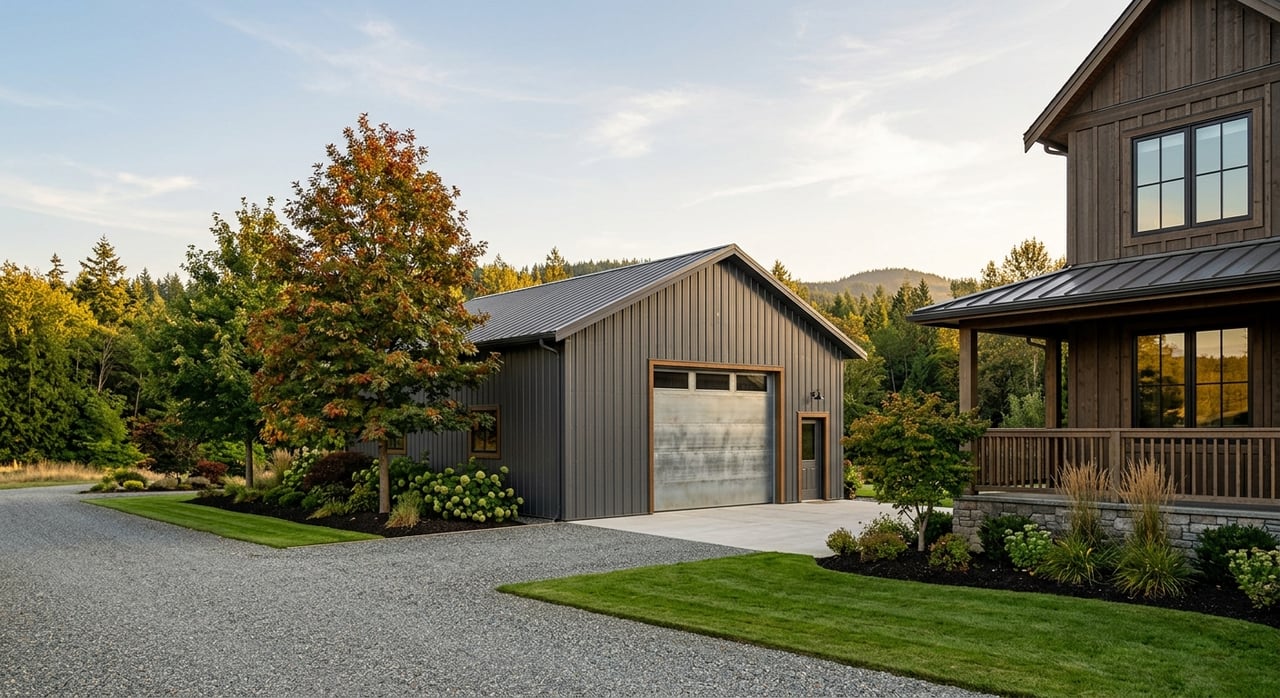
- Single-family homes on larger lots or acreage
- Manufactured and modular homes
- Limited multifamily choices compared with bigger suburbs
New construction is typically smaller in volume than metro areas, so selection can be tight. If you want land, outbuildings, or hobby farming potential, you’ll find options. If you want a newer subdivision feel, inventory may take longer to match.
Market dynamics to watch
Local pricing, days on market, and inventory shift throughout the year. For the most current snapshot, lean on local MLS data and recent comparable sales. The goal is to understand pricing by property type, acreage, utilities, and condition. A rural property with a well and septic, for example, prices differently than a similar home on public utilities.
Taxes, insurance, and carrying costs
Oklahoma’s overall property tax burden tends to be lower than the U.S. average, but your actual tax bill depends on local rates and levies. Verify current information with the Oklahoma Tax Commission and Love County officials.
Homeowners insurance should factor in regional risks like wind, hail, and tornadoes. If a property sits near a mapped floodplain, your lender may require flood insurance. Use the FEMA Flood Map Service Center to check a specific address and discuss coverage with a local insurance agent.
Utilities, wells, septic, and broadband
Rural utilities vary by property, so confirm the details during your due diligence:
- Water: city service or private well
- Wastewater: city sewer or private septic system
- Electric and gas providers
- Trash and recycling
- Internet and cell coverage
If fast internet is essential, check service at the parcel level. The FCC Broadband Map is a good starting point, and carrier coverage maps can fill in gaps. For septic systems, request recent maintenance records and understand the system’s age, capacity, and location.
Lifestyle and amenities
Daily needs in a town like Thackerville are straightforward: convenience stores and gas stations, local eats, and service businesses. For larger grocery runs, specialty shopping, or certain medical appointments, you’ll likely drive to a regional hub. The local resort brings restaurants, entertainment, and events that shape weekend plans for many residents and visitors.
If you enjoy the outdoors, you’ll find space for gardening, horseback riding, ATV use on private land, and access to hunting and fishing opportunities in the surrounding region, subject to property rules and local regulations. The rural character means quieter nights, big skies, and room to spread out.
Schools and education
Public schools serving Thackerville can be confirmed through the local district and state resources. For boundaries, enrollment, and transportation, visit the district’s website. For neutral data and profiles, explore GreatSchools and the U.S. Census Bureau for community-level context. Always verify school assignment and programs directly with the district, since boundaries and offerings can change.
Healthcare access
You may find primary care or urgent care options in nearby towns, while hospitals and specialists are typically in larger regional cities. For planning, check locations and travel times before you move. State resources through the Oklahoma State Department of Health can help you identify facilities in the broader region. In rural settings, it’s a good idea to understand local EMS coverage and typical response times.
Weather and safety planning
Southern Oklahoma brings hot summers and mild-to-cool winters, with a seasonal risk of severe thunderstorms, hail, and tornadoes. Keep an eye on weather alerts, know where you’ll shelter, and review your insurance for wind and hail coverage. For flood risk, always confirm the property’s status with the FEMA Flood Map Service Center and review seller disclosures for drainage or past water issues.
Due diligence for buyers
A little upfront homework goes a long way in a rural market:
- Title and survey: confirm boundaries, easements, and legal access with a local title company; request a current survey.
- Utilities: verify all connections and providers, plus well or septic details and recent maintenance records.
- Internet and cell: confirm speeds and carriers using the FCC Broadband Map and provider tools.
- Zoning and use: review Love County zoning and any deed restrictions or HOA rules for livestock, accessory structures, and short-term rentals.
- Environmental and hazards: review disclosures for flooding, drainage, or storage tanks; confirm flood status through FEMA.
Tips for sellers
Selling in a rural area means positioning your property clearly and honestly:
- Pricing strategy: inventory is thinner, so lean on recent local comps and explain differences in acreage, utilities, condition, and outbuildings.
- Staging and access: highlight acreage, privacy, low taxes, and proximity to the resort corridor. Make access easy for showings, including gates and pasture areas.
- Marketing reach: attract both Oklahoma and Texas buyers. Professional visuals, parcel outlines, and aerials help shoppers understand land and layout.
The McElroy Team’s modern marketing can make your property stand out through professional photography, drone footage, 3D tours, and dedicated listing pages.
Moving logistics and checklists
- Movers: choose teams experienced with rural access, long driveways, gates, and outbuildings.
- Manufactured homes: confirm permits, transport requirements, and foundation needs with Love County before scheduling.
- Registrations: if you’re moving from another state, review timelines for vehicle titles, licenses, and voter registration with the Oklahoma Department of Public Safety and the Oklahoma Tax Commission.
- Road planning: for construction updates or detours on your route, check the Oklahoma Department of Transportation.
Is Thackerville a fit for you?
If you want elbow room, a quieter pace, and quick access to a major travel corridor, Thackerville might be just right. You’ll trade some convenience and city services for acreage options, a strong sense of space, and a unique blend of rural life with resort-driven energy nearby. The key is dialing in your commute, verifying utilities and broadband, and planning confidently for weather and maintenance.
When you’re ready, we’re here to guide you step by step. For buyers, we help you evaluate land, wells and septic, and true commute dynamics. For sellers, we bring modern, high-impact marketing to reach the widest qualified audience across Oklahoma and Texas.
Ready to get local, stress-free help? Reach out to Makenzie Mcelroy for clear guidance, smart pricing, and a plan that fits your goals.
FAQs
What is commuting like in Thackerville?
- Expect car-first commuting on a major north–south corridor, with heavier traffic on weekends and holidays; check the Oklahoma Department of Transportation for updates.
What home types are common near Thackerville?
- You’ll mostly find single-family homes on larger lots or acreage, plus manufactured and modular homes; multifamily options are limited.
How do I check flood risk before I buy?
- Search the property address in the FEMA Flood Map Service Center and review disclosures with your agent and title company.
Are property taxes high in Love County?
- Oklahoma’s overall burden is generally lower than the national average, but confirm exact rates and exemptions with the Oklahoma Tax Commission and local officials.
Will I get reliable internet on acreage?
- It depends on the address; check the FCC Broadband Map and verify speeds and providers directly before you write an offer.
How can I evaluate local schools?
- Confirm school boundaries with the district and review neutral profiles on GreatSchools; always verify details directly with the district.
What weather risks should I plan for?
- Southern Oklahoma can see severe storms, hail, and tornadoes; plan for shelter, review wind and hail insurance, and confirm flood status with FEMA.