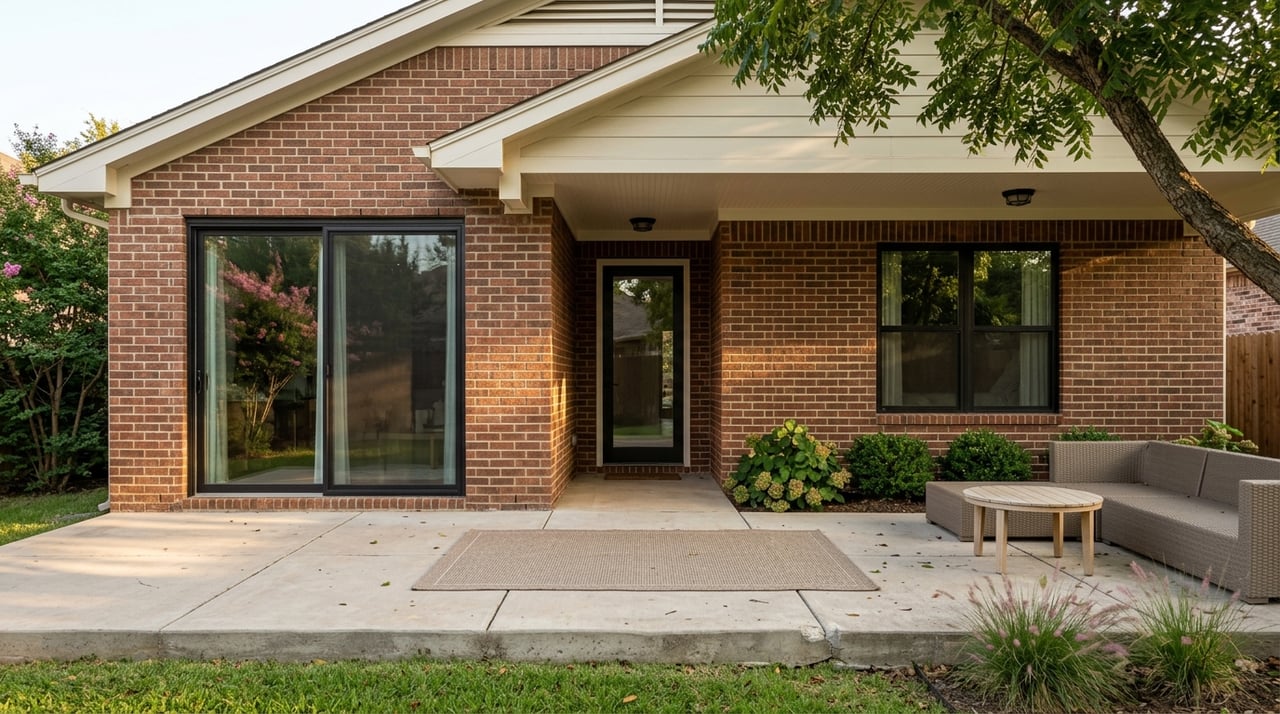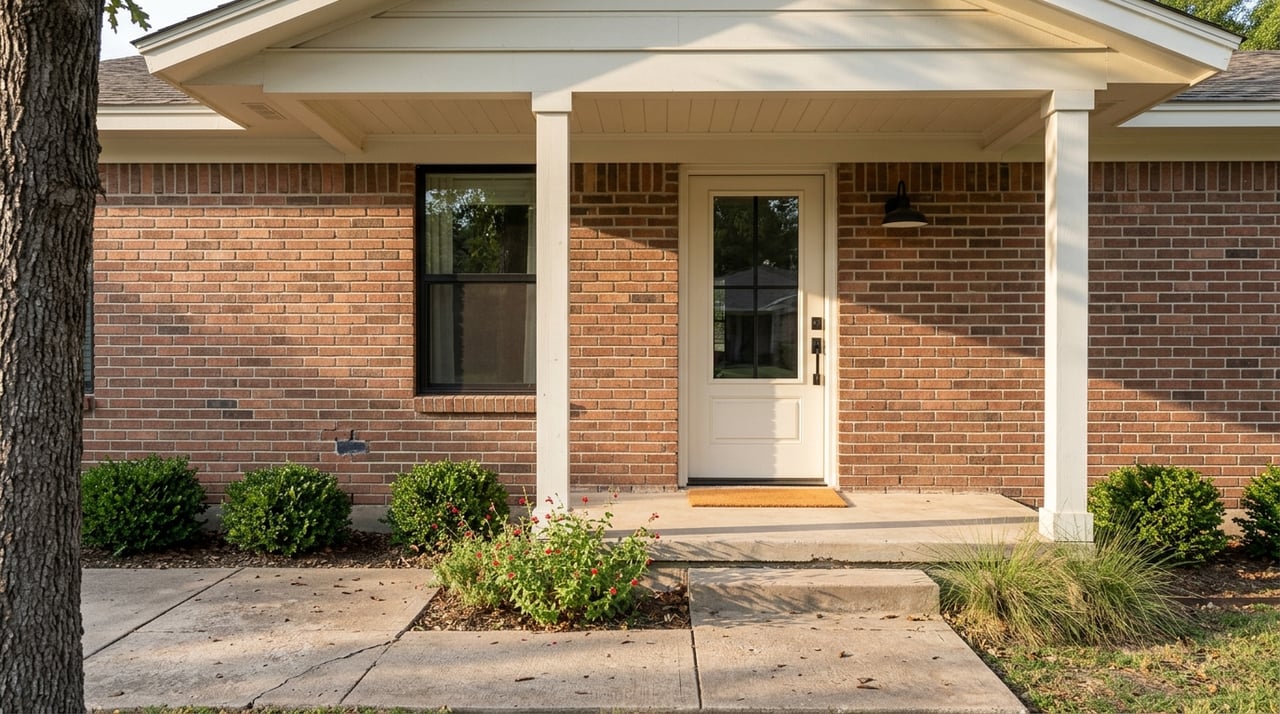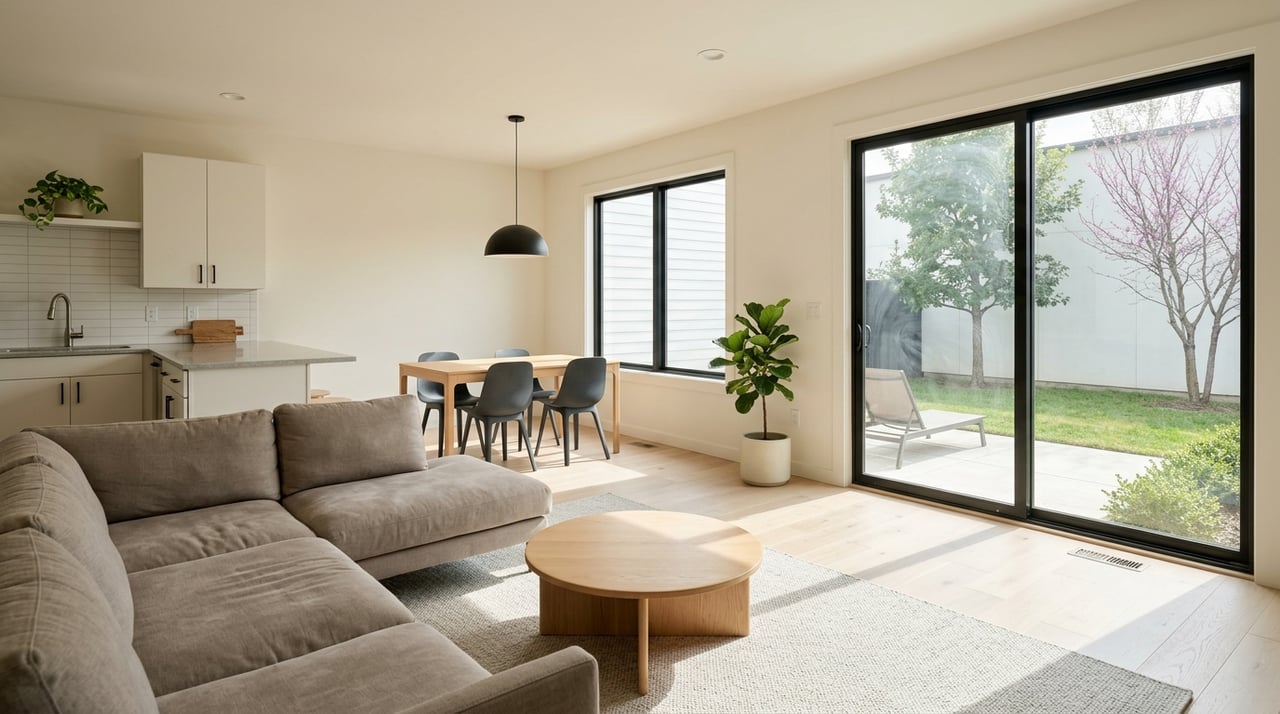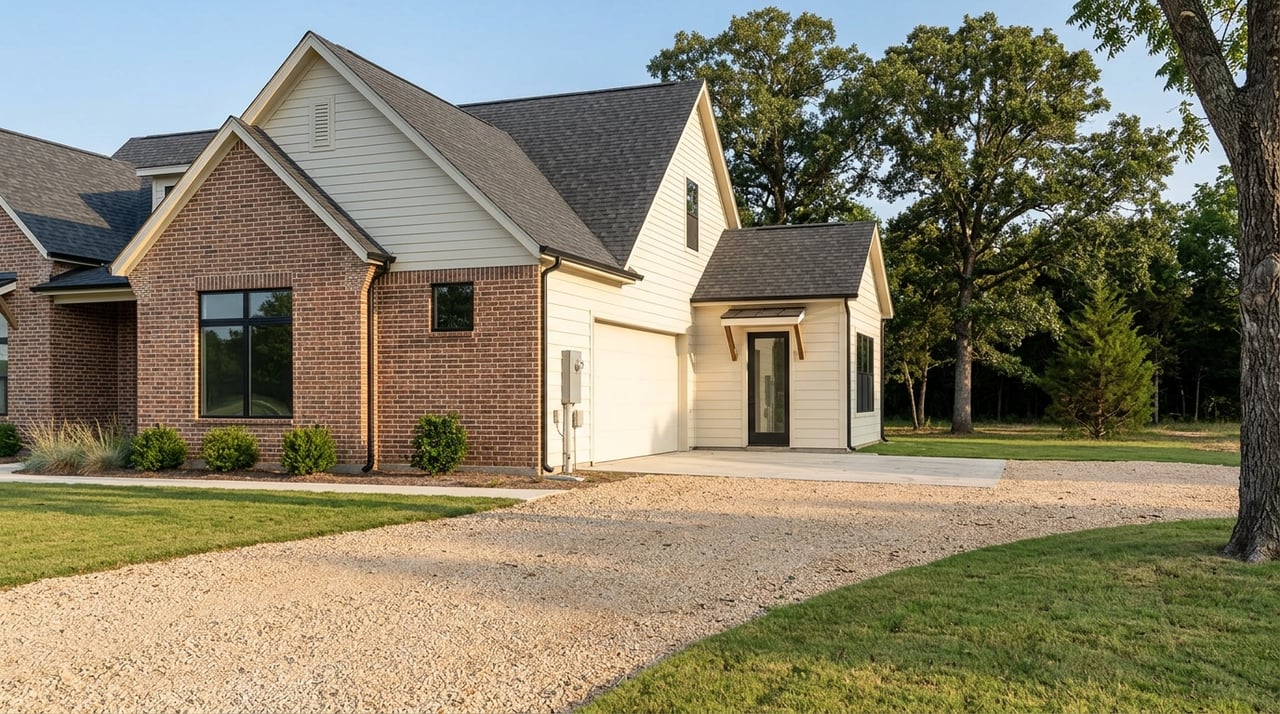
If building a custom home on acreage near Thackerville has been on your mind, you already know it is not the same as buying a house in a subdivision. A great-looking tract can still come with questions about access, septic, water, drainage, and financing. When you understand those moving parts early, you can make smarter decisions and avoid expensive surprises later. Let’s dive in.
Why acreage builds near Thackerville feel different
Building on land in the Thackerville area usually means thinking beyond the house itself. Love County’s landscape is described as rolling to hilly, with the Red River and its tributaries shaping drainage across the area. That makes the best homesite less about raw acreage and more about how the land works for your build.
On acreage, you need room for more than your floor plan. A driveway, septic area, utility connections, and space for future fencing or outbuildings all need to fit the parcel. That is why many buyers should evaluate the land before locking in house plans or builder pricing.
Start with the homesite, not the house plan
It is tempting to fall in love with a floor plan first. On rural land, though, the site often decides what is practical, what will cost more, and where the home should sit. A beautiful plan can become harder to build if the tract has slope issues, limited septic options, or difficult access.
Before you move too far into design, take time to confirm the basics. The goal is to make sure the land can support the home you want with a realistic budget and timeline.
Check floodplain and drainage early
Flood risk is one of the first items to review on acreage near Thackerville. FEMA’s Flood Map Service Center is the official source for flood-hazard information, and Special Flood Hazard Areas can trigger flood-insurance requirements for government-backed mortgages. Even if a tract is appealing, floodplain location can affect both financing and where you place the house.
Drainage matters just as much. In rolling or hilly areas of Love County, water movement across the property can influence driveway design, pad preparation, and the best spot for a septic system. A tract with workable drainage can save you time and money during site work.
Confirm septic feasibility
If the parcel is not on a sewer line, you should expect to install an on-site sewage system rather than assume municipal service is available. In Oklahoma, the process begins with a Report for On-Site Sewage and a soil profile test. Before a new system can operate, an Authorization to Construct and a final inspection are required.
DEQ also notes that septic design depends on lot size, lot shape, and soil profile results. In some cases, an alternative system may be required if a standard design will not work. OSU Extension says Oklahoma does not set one simple minimum lot size for septic, but planning around 10,000 square feet, or about a quarter acre, for the system area is a useful guideline.
Review local rules before closing
Not every acreage tract is governed the same way. Oklahoma law allows county commissioners to adopt zoning regulations in unincorporated areas, so you should confirm whether the property is subject to county, town, or subdivision rules before you close.
This is especially important if you plan to add a shop, fencing, or other improvements later. A little due diligence up front can help you avoid buying land that does not fit your long-term plans.
Understand water options on rural property
Water service is another key piece of the puzzle. Love County Rural Water District #2 is based in Thackerville, and its purpose includes the construction, maintenance, and operation of water works within its district. If a parcel can be served by the district, that may simplify your planning.
If rural water is not available, a private well may be the fallback. OSU Extension says private well water quality and safety are the owner’s responsibility, and nearby septic systems or flooding can affect well water. Annual coliform testing is recommended, and the Love County Health Department directs residents with wells, septic tanks, or drinking water questions to DEQ.
Ask these water questions early
Before you buy acreage, try to answer:
- Is rural water service available at the property?
- If not, is a private well the likely option?
- Where would water lines or a well best fit the homesite?
- How might the water setup affect house placement and budget?
These answers can shape both your build cost and the final layout of your property.
Do not overlook access and road logistics
A rural homesite can look ideal on paper but still be tough to build on if access is limited. Driveway placement, contractor entry, and delivery routes all matter when you are bringing in materials and equipment. In a custom build, those practical details can affect your timeline almost as much as the house itself.
ODOT has shown continuing construction attention along the I-35 corridor near Thackerville, including widening and interchange work. Even if your tract is not directly on the interstate, road conditions, truck routing, and delivery timing can become part of the conversation during the build.
Line up financing before you buy land
One of the biggest mistakes acreage buyers make is separating the land purchase from the build plan too early. Construction loans are usually short-term, funded in stages, and often carry higher interest than long-term mortgages. Because of that, your land contract, builder contract, and loan structure should work together from the start.
For some buyers, a two-closing construction-to-permanent structure may allow the first closing to cover interim construction financing and may include the lot purchase. The right fit depends on your lender, builder, and timeline, so planning ahead is important.
Compare lenders carefully
Loan terms can vary, especially when land acquisition and construction draws are involved. Requesting Loan Estimates from multiple lenders can help you compare costs and structure. On an acreage build, that extra step can make a meaningful difference in your total budget.
If you are exploring rural housing options, certain programs may also help qualifying borrowers purchase or build in rural areas. What matters most is making sure your financing matches the way your project will actually move forward.
A practical build sequence for Thackerville acreage
When you keep the process in the right order, things usually feel much more manageable. In rural Thackerville-area projects, the main schedule drivers are often site checks, utility access, and site work rather than the vertical build alone.
A practical sequence often looks like this:
- Prequalify with a lender.
- Identify a homesite that fits your goals.
- Verify floodplain status, septic feasibility, and water or well options.
- Line up your builder.
- Align the land contract and construction financing.
- Close on the land or land-plus-construction structure that fits your plan.
This order can help you avoid owning a tract that is harder or more expensive to build on than expected.
What a smart acreage search should focus on
When you search for land near Thackerville, it helps to look at each tract through a builder’s lens. Size matters, but usability matters more. A slightly smaller parcel with better access, simpler utility planning, and a cleaner homesite may be a much better choice than a larger tract with costly site challenges.
As you compare properties, focus on a few essentials:
- Buildable area and slope
- Floodplain and drainage concerns
- Septic fit and soil testing path
- Rural water availability or well planning
- Road access and delivery logistics
- Room for future improvements like fencing or outbuildings
That kind of evaluation can help you choose land that supports your vision instead of fighting it.
Why local guidance matters
A custom home on acreage has more moving pieces than a typical resale purchase. You are not just choosing a property. You are choosing a homesite, a utility plan, an access strategy, and a financing path all at once.
That is where experienced local guidance can help. When you work with a team that understands land, rural properties, and new construction across south-central Oklahoma, you are better positioned to ask the right questions before you commit.
If you are thinking about building a custom home on acreage near Thackerville, Makenzie Mcelroy can help you evaluate land opportunities, spot key due diligence items early, and move forward with more confidence.
FAQs
What should you check before buying acreage near Thackerville to build a custom home?
- You should verify floodplain status, septic feasibility, water availability, access, drainage, and any county, town, or subdivision rules before closing.
How does septic approval work for a new home on acreage in Oklahoma?
- In Oklahoma, the process starts with a Report for On-Site Sewage and a soil profile test, and a new system also requires an Authorization to Construct and a final inspection before use.
Can rural water service be available for land near Thackerville?
- Some parcels may be served by Love County Rural Water District #2, but if service is not available, a private well may be the fallback option.
Why does floodplain matter when building on acreage near Thackerville?
- Floodplain status matters because Special Flood Hazard Areas can affect where you place the home and may trigger flood-insurance requirements for government-backed mortgages.
What is the best order for building a custom home on acreage near Thackerville?
- A practical order is to prequalify with a lender, identify the homesite, verify flood, septic, and water details, line up the builder, and then close using the financing structure that fits the project.