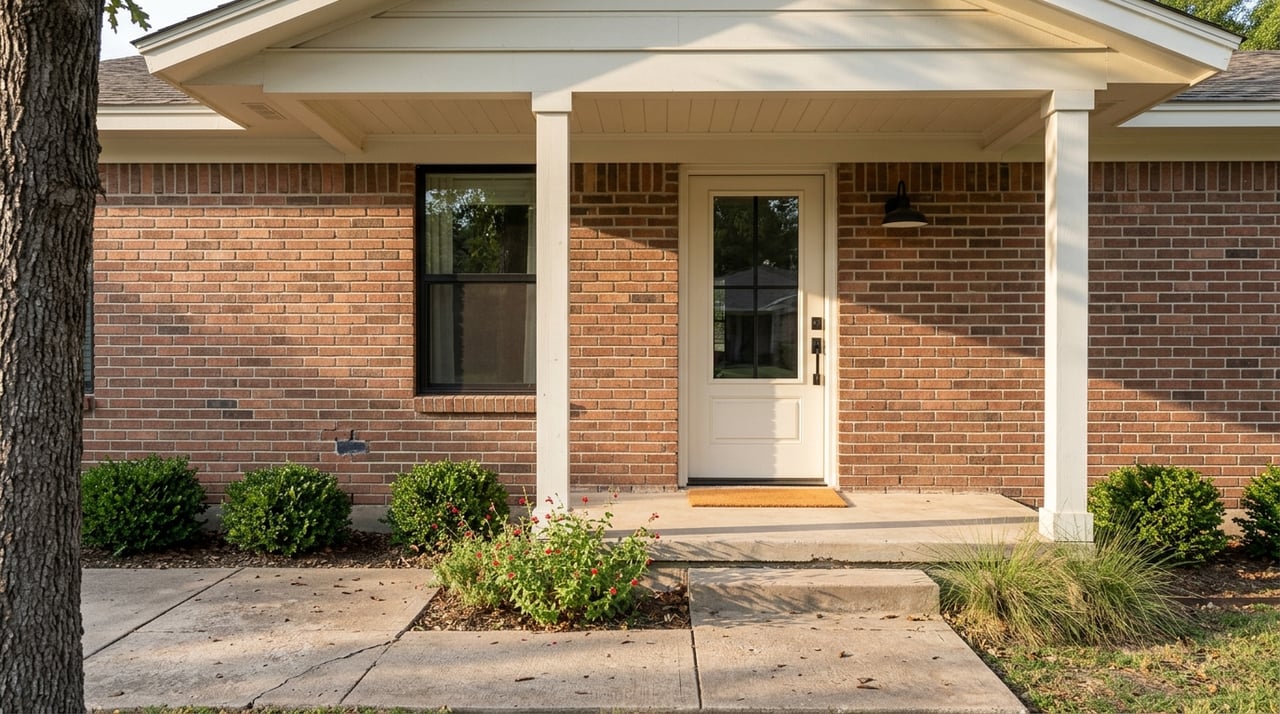
Thinking about renovating an older home in Wynnewood? It can be an exciting way to create a home with real character, but older properties often come with hidden repairs, outdated systems, and a few surprises behind the walls. If you plan carefully from the start, you can protect your budget, make smarter upgrades, and avoid costly missteps. Let’s dive in.
Why older homes in Wynnewood need a plan
Wynnewood has deep roots in south-central Oklahoma. The Oklahoma Historical Society notes that the community dates to 1886–1887 and had a population of 1,928 in the 2020 census. It also identifies the Eskridge Hotel and the Hargis-Mitchell-Cochran House as National Register properties, which reflects the town’s long-standing historic character.
For you as a buyer or homeowner, that history matters. In Wynnewood, an older home may offer charm, craftsmanship, and unique details, but it may also reflect decades of repairs, additions, and past remodels. That is why renovation decisions should start with planning and prioritizing, not paint colors and finishes.
Start with the home’s hidden systems
It is easy to focus first on kitchens, bathrooms, flooring, and fixtures. Those upgrades are visible and satisfying, but they should usually come after you understand the condition of the home’s major systems.
In an older Wynnewood home, your first review should include:
- Roof condition
- Windows
- Gutters and site drainage
- Electrical system
- Plumbing system
- HVAC equipment
- Signs of moisture issues
This matters even more in Oklahoma because weather can be hard on homes. NOAA’s Oklahoma state summary shows that severe storms were responsible for 76 events and 60.2% of the state’s total billion-dollar disaster costs from 1980 to 2024. A home that looks appealing on the surface may still need important work to better handle rain, wind, and moisture.
Why roofs, drainage, and moisture matter first
When people think about renovation, they often think from the inside out. With older homes, it is usually smarter to think from the outside in. If the roof leaks, the gutters fail, or water drains toward the house, cosmetic updates can be damaged before you enjoy them.
A practical first step is to identify anything that could let water in or trap moisture. That includes roof wear, poor grading, clogged gutters, damaged downspouts, and signs of dampness around windows, floors, or crawlspaces. Solving those issues early helps protect both the structure and the rest of your renovation budget.
Know the risks in pre-1978 homes
If the home was built before 1978, lead-based paint is an important issue to consider. According to the EPA, homes built before 1978 are more likely to contain lead-based paint, and renovation work can create hazardous dust when that paint is disturbed.
The EPA also states that firms performing renovation, repair, and painting projects that disturb lead-based paint in pre-1978 homes must be certified and follow lead-safe work practices. For you, that means it is worth asking direct questions before work starts, especially if sanding, cutting, demolition, or window replacement is involved.
Watch for asbestos during demolition
Asbestos is another concern in older homes, especially when materials will be cut, removed, or disturbed. The EPA says suspect materials should be sampled by a properly trained and accredited asbestos professional if a renovation will disturb them.
The agency also lists several common materials that may contain asbestos in older structures, including:
- Vinyl floor tiles
- Backing on vinyl sheet flooring
- Adhesives
- Insulation
- Ceiling tile
- Old pipe wrap
This does not mean every older home has a major asbestos problem. It does mean you should avoid treating demolition like a simple weekend project when the home contains older materials.
Understand permits and code in Oklahoma
Renovation rules are not always the same from one Oklahoma town to another. Oklahoma is a home-rule state, and the Oklahoma Uniform Building Code Commission establishes minimum statewide codes while local jurisdictions can adopt specific code levels.
That means a project in Wynnewood may not follow the exact same permit or review process as a similar project in another town. Before work begins, it is smart to confirm what permits or approvals may apply to your specific scope of work.
Vet contractors by trade, not title alone
One of the most important things to know in Oklahoma is that a person calling themselves a general contractor is not the same as a state-licensed specialist. The Construction Industries Board regulates plumbing, electrical, mechanical, roofing, building and construction inspectors, and home inspectors. Its FAQ also says general contractors are not currently required to have a state license in Oklahoma.
That makes your vetting process especially important. Instead of only asking whether a contractor is “licensed,” ask whether the specific trade work involved is properly licensed or registered, and whether current insurance is in place.
For regulated trades, the Construction Industries Board says active plumbing, electrical, and mechanical contractors must carry:
- A $5,000 surety bond
- At least $50,000 in commercial general liability insurance
The agency also offers a consumer lookup tool for several regulated license types. That gives you a practical way to verify contractors or inspectors before the project starts.
Build a renovation budget with a contingency
Older-home budgets rarely go exactly as planned. Once walls, flooring, or old fixtures are removed, hidden issues can appear fast. That might include moisture damage, outdated wiring, plumbing reroutes, structural repairs, or hazard-related work.
A useful budgeting benchmark comes from HUD rehab and construction guidance. It requires a 10% contingency reserve for rehab or construction loans over $10,000, and lenders may require as much as 20% when they believe the project needs it.
Even if you are paying cash, that range is a smart planning guide. In an older home, contingency money is not extra fluff in the budget. It is the buffer that helps keep your project moving when the house reveals something unexpected.
Separate must-do work from nice-to-have updates
One of the best ways to stay on track is to divide your project into two categories: essential work and cosmetic work. This sounds simple, but it can keep your renovation from becoming stressful and expensive.
Must-do work usually includes items tied to safety, function, weather protection, and major systems. Nice-to-have updates usually include finish choices and visual improvements that can often wait until the home is stable and livable.
A simple way to think about it is this:
| Priority | Examples |
|---|---|
| Must-do first | Roof, drainage, electrical, plumbing, HVAC, moisture issues, lead-safe or asbestos-related work |
| Usually second | Cabinets, countertops, flooring, paint colors, fixtures, decorative finishes |
This approach helps protect resale value and reduces the risk of spending heavily on finishes before the core issues are resolved.
Plan your renovation in the right order
If you are buying an older home in Wynnewood with renovation in mind, the order of operations matters. A clear sequence can save you time, stress, and money.
A practical planning path looks like this:
- Evaluate the home’s condition, especially major systems and moisture risks.
- Identify whether the home was built before 1978 and whether lead-safe practices may apply.
- Flag any older materials that may need asbestos review before demolition.
- Confirm permit and code requirements for your scope of work.
- Verify contractors and trade professionals carefully.
- Build a budget that includes a realistic contingency.
- Complete system and safety repairs before cosmetic upgrades.
When you follow that order, you are less likely to make emotional renovation choices that create financial headaches later.
Think about renovation and resale together
Even if you plan to stay for years, resale still matters. Buyers often appreciate older homes for their character, but they also pay attention to the condition of big-ticket systems and the overall confidence a home inspires.
In many cases, the best renovation choices are the ones that make the home more durable, functional, and easier to maintain. A beautifully updated kitchen is appealing, but it is even stronger when the roof, drainage, HVAC, plumbing, and electrical work support the home behind the scenes.
Local guidance can make the process easier
Renovating an older home in Wynnewood can be rewarding, especially when you go in with a clear plan. The key is to respect the age of the home, budget for surprises, and focus first on the systems and conditions that protect the property long term.
If you are considering buying, selling, or evaluating an older home in Wynnewood, working with a local team can help you think through property condition, renovation potential, and what matters most for long-term value. When you are ready to take the next step, connect with Makenzie Mcelroy for trusted, high-touch guidance in south-central Oklahoma.
FAQs
What should you check first when renovating an older home in Wynnewood?
- Start with the roof, windows, gutters, drainage, electrical, plumbing, HVAC, and any signs of moisture issues before choosing cosmetic upgrades.
Why is a contingency budget important for an older home renovation in Wynnewood?
- Older homes can reveal hidden problems during demolition, so a 10% to 20% contingency can help cover unexpected repairs without disrupting the whole project.
What should you know about lead paint in older Wynnewood homes?
- If the home was built before 1978, it is more likely to contain lead-based paint, and renovation work that disturbs it should be handled by certified firms using lead-safe practices.
How do permits work for home renovation projects in Wynnewood, Oklahoma?
- Oklahoma uses statewide minimum codes, but local jurisdictions can adopt specific code levels, so permit and review requirements may vary by town and project scope.
How can you vet renovation contractors for an older home in Wynnewood?
- Check whether the specific trade work, such as plumbing, electrical, or mechanical, is properly licensed or registered and verify current insurance before work begins.