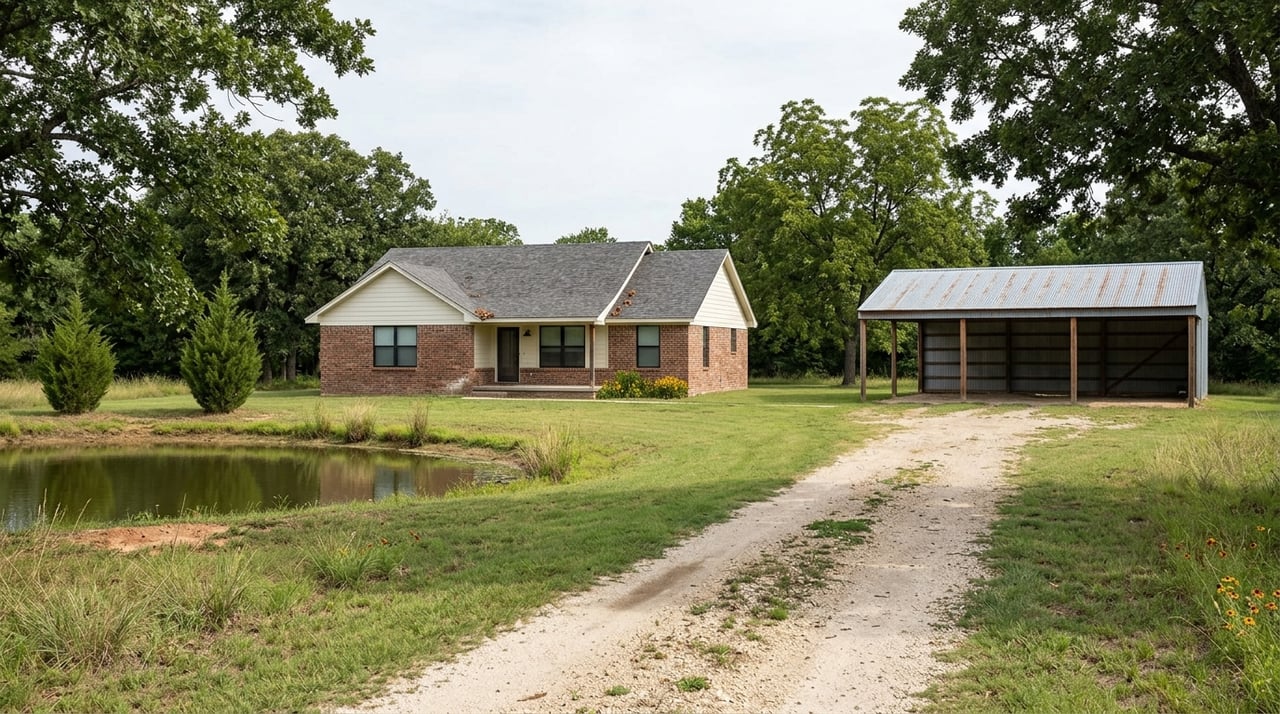
Dreaming about a few acres outside Ardmore? Whether you want a homesite, a hobby ranch, or a recreational tract, buying rural property is very different from buying a house in town. The right parcel can give you space and flexibility, but it also comes with questions about access, utilities, zoning, title, and land use. This step-by-step guide will help you understand what to verify before you buy so you can move forward with more confidence. Let’s dive in.
Start With Your End Goal
Before you look at maps, fences, or pasture quality, decide exactly how you plan to use the property. A small ranch, a future homesite, and a recreational tract may all look similar online, but they can involve very different due diligence.
Oklahoma real estate forms treat vacant lots or tracts differently from land with or without a dwelling, and those contracts specifically address inspections, surveys, utilities, zoning, and land-use concerns. You can review the state’s Oklahoma real estate contract forms to see how these differences show up in the buying process.
Ask Yourself These Questions First
- Do you want to build now or later?
- Will you keep livestock or use the land mainly for recreation?
- Do you need road frontage or recorded access?
- Will you need a well, septic system, or both?
- Are barns, fencing, corrals, or pumps important to you?
When you define the intended use early, it becomes much easier to rule out parcels that do not fit your plans.
Check Zoning And Location Details
If the property is inside Ardmore city limits, zoning matters right away. The city notes that its zoning atlas page is archive-only and directs users to the current interactive map, making Ardmore GIS a practical place to begin parcel-level research.
For example, Ardmore’s AG district is intended for agricultural uses, mineral extraction, and low-density development that needs minimal public improvements and services. The ordinance also notes that public sewer and fire protection may not be provided, public water may be available, wells may be allowed subject to review, and sewage lagoons are not acceptable within city limits, according to the city ordinance PDF.
Why This Matters Near Ardmore
Outside city limits, rural land may have fewer regulations than buyers expect. According to OSU Extension’s rural property guidance, you should not assume a parcel is automatically buildable or suitable for your intended use just because it is being marketed as land for sale.
That makes local verification especially important if you are shopping for acreage, a hobby ranch, or recreational land around Ardmore and Carter County.
Verify Title, Access, And Survey Issues
One of the biggest mistakes land buyers make is focusing only on the surface features they can see. Rural property can have hidden issues involving ownership history, recorded easements, legal access, or boundary questions.
OSU Extension says a lawyer, title search, title insurance, and a complete abstract are usually considered essential when buying rural property. The same guidance explains that the county clerk’s office is the place to check for liens, easements, and other title problems, and that Oklahoma legal descriptions typically follow the section-township-range system.
Review The Title Evidence Carefully
The state’s land contract form shows just how important title review is. It treats the abstract of title, title commitment or attorney’s title opinion, UCC search certificate, and survey or mortgage inspection report as part of the title evidence package, and it gives the buyer a ten-day period after receipt to review that evidence and raise objections.
This is where details can make or break a deal.
Confirm Access In Writing
Not every rural parcel has the kind of access buyers expect. Easements may involve driveways, utilities, pipelines, drainage rights, or highway rights-of-way. In some cases, a property may be landlocked or depend on a legal access arrangement that needs close review.
OSU’s guidance on real estate ownership in Oklahoma explains that access rights and mineral ownership are separate legal issues, and buyers may need to accept title subject to utility easements, setback lines, zoning rules, and severed mineral rights.
Clarify Mineral Rights Early
If you are buying land near Ardmore, do not assume the mineral rights are included. In Oklahoma, mineral rights can be severed from surface rights, which means someone else may own what is below the ground even if you own the surface.
That does not always stop a purchase from making sense, but it does mean you should confirm exactly what is being conveyed before closing. The deed, title work, and contract language should all line up clearly.
Check Water, Sewer, And Septic Feasibility
Utilities are often one of the biggest unknowns with small ranches and acreage. A property can look perfect and still turn into an expensive surprise if the water or wastewater setup does not fit your plans.
If a parcel cannot connect to municipal sewer, an on-site septic system is usually needed. According to OSU’s septic system guide for Oklahoma land buyers, septic decisions depend on soil conditions in the area where the system will be placed.
What To Review Before You Buy
- Soil conditions
- Slope and drainage
- Flooding or ponding risks
- Restrictive layers in the soil
- Whether DEQ review will be needed
OSU recommends starting with the NRCS Web Soil Survey and contacting DEQ before deciding to purchase when septic feasibility is a concern. DEQ also notes that the onsite sewage process includes certified installers and certified soil profilers.
Understand Well Rules
For water supply, well rules can depend on the intended use. The Oklahoma Water Resources Board says permits are required for all uses of water except domestic use. It also states that intent-to-drill authorization is not required for domestic household wells, livestock wells up to the land’s grazing capacity, or irrigation of less than 3 acres.
DEQ adds that Oklahoma does not have state rules requiring private well testing, although lenders often require bacteria testing before closing. That means you should still plan to ask questions about water quality and well suitability during due diligence.
Review Flood Exposure And Drainage
Flood risk is easy to underestimate on rural land, especially if you are buying during a dry season. Low areas, creek frontage, and even culvert issues can affect where you can build and how usable the property will be.
OSU Extension warns that creek and river areas can flood and that flood plains are generally better left as farmland or natural vegetation rather than building sites. It also notes that blocked or undersized culverts can create hidden flood risk.
A Smart Early Step
Check flood exposure before you spend too much time planning building locations, fencing, or improvements. This can save you from getting emotionally attached to a parcel that does not support your goals.
Evaluate Soils And Land Capability
Not all acreage performs the same way. Some soils are better for pasture, some for more intensive farming, and some are better left under native plant cover.
OSU notes that buyers of rangeland or small-ranch properties can use the Web Soil Survey and Ecological Site Information System to make more informed site-specific decisions. If your goal is grazing, recreation, or long-term land stewardship, understanding the land’s capability is just as important as understanding the boundaries.
Confirm What Improvements Stay
A common point of confusion in land sales is what actually comes with the property. Buyers often assume barns, gates, feeders, pumps, blinds, corrals, or fuel tanks are included, but that is not something to guess about.
The Oklahoma land contract specifically lists many common farm and ranch improvements that may convey, including windmills, barns, pens, fences, sheds, gates, corrals, hunting blinds, submersible pumps, pressure tanks, game feeders, chutes, solar equipment, livestock feeders and troughs, and owned fuel tanks. If you want an item included, make sure the contract says so clearly.
Know The Paperwork Differences
Land purchases do not always follow the same path as a typical home sale. If a property includes a home, Oklahoma’s residential disclosure rules may apply. If it is vacant land, land-specific contract forms are generally used instead.
The state’s Residential Property Condition Disclosure information explains that improved residential property with one or two dwelling units usually requires a seller disclosure or disclaimer unless an exemption applies. It also notes lead-based paint disclosures for homes built before 1978.
Don’t Confuse Taxes With Ag Exemptions
This trips up many buyers. Oklahoma’s agricultural exemption permit is not a discount on the purchase of land itself. According to the state’s ad valorem tax information, property taxes fall under the ad valorem system, while the agricultural exemption permit relates to sales tax on qualifying farm or ranch personal property such as feed, fertilizer, or tractors.
If you are planning a small ranch purchase, it helps to keep real-property taxes and sales-tax exemptions separate in your planning.
Consider Fire Protection And Insurance
If the parcel includes an existing home or a future homesite, practical risk factors matter too. OSU advises buyers to evaluate distance to fire protection, available fire coverage, and the water supply available for fire protection on rural properties.
These are not always the first questions buyers ask, but they can affect both peace of mind and ongoing ownership costs.
Why Local Guidance Helps
Buying land near Ardmore usually involves more moving parts than buying a standard in-town home. You may need to coordinate zoning research, title evidence, survey review, access questions, septic and well planning, flood concerns, mineral-rights language, and a clear list of what improvements convey.
That is why working with a team that understands land, acreage, and rural transactions can make the process feel much more manageable. If you are considering buying land or a small ranch near Ardmore, Makenzie Mcelroy can help you navigate the details and move forward with confidence.
FAQs
What should you check before buying land near Ardmore?
- You should verify zoning, title, legal access, survey details, utilities, septic feasibility, flood exposure, mineral rights, and which improvements are included in the contract.
Can you build right away on land near Ardmore?
- Not always. You should first confirm zoning, setbacks, flood exposure, and whether sewer service is available or a septic system is feasible.
Do small ranches near Ardmore usually need a well and septic system?
- Many rural properties do, especially if they are not connected to municipal utilities. Septic suitability depends on soil conditions, and well rules depend on the intended water use.
Are mineral rights included when buying Oklahoma land?
- Not necessarily. Mineral rights can be severed from surface rights, so you should confirm ownership and contract language before closing.
Are barns, gates, fences, and pumps included with rural property sales?
- Only if the contract specifically says they are included. You should never assume farm or ranch improvements will automatically convey with the sale.