Ever picture yourself slipping away to a quiet cabin near waterfalls and a clear blue lake? If Sulphur and the Arbuckle Mountains are on your mind, you are not alone. Many buyers come for the scenery and stay for the easy pace, with the option to rent their place on occasion. In this guide, you will learn where to buy, what to expect on pricing, how seasonal rentals work, and the key rules and checklists to cover before you sign. Let’s dive in.
Why Sulphur makes a great getaway
Sulphur sits in Murray County at the foothills of the Arbuckle Mountains, a gateway to swimming, boating, hiking, and laid‑back weekends. The City of Sulphur’s official site is a useful starting point for local services and contacts as you plan.
- Outdoor anchors: The Lake of the Arbuckles inside the Chickasaw National Recreation Area draws boaters, anglers, and hikers. Nearby Turner Falls Park adds a major waterfall, trails, and cabins to the mix.
- Seasonal rhythm: Warm months and holiday weekends tend to be busiest, which also drives peak short‑term rental demand.
- Small‑town convenience: You get local amenities, a walkable downtown core, and quick access to permits and city contacts when you need them.
What you can buy around Sulphur
Lake cottages and views
You will find lake‑front and lake‑view cottages around Lake of the Arbuckles and nearby private lots. These properties often command premiums due to access and scenery.
In‑town single‑family homes
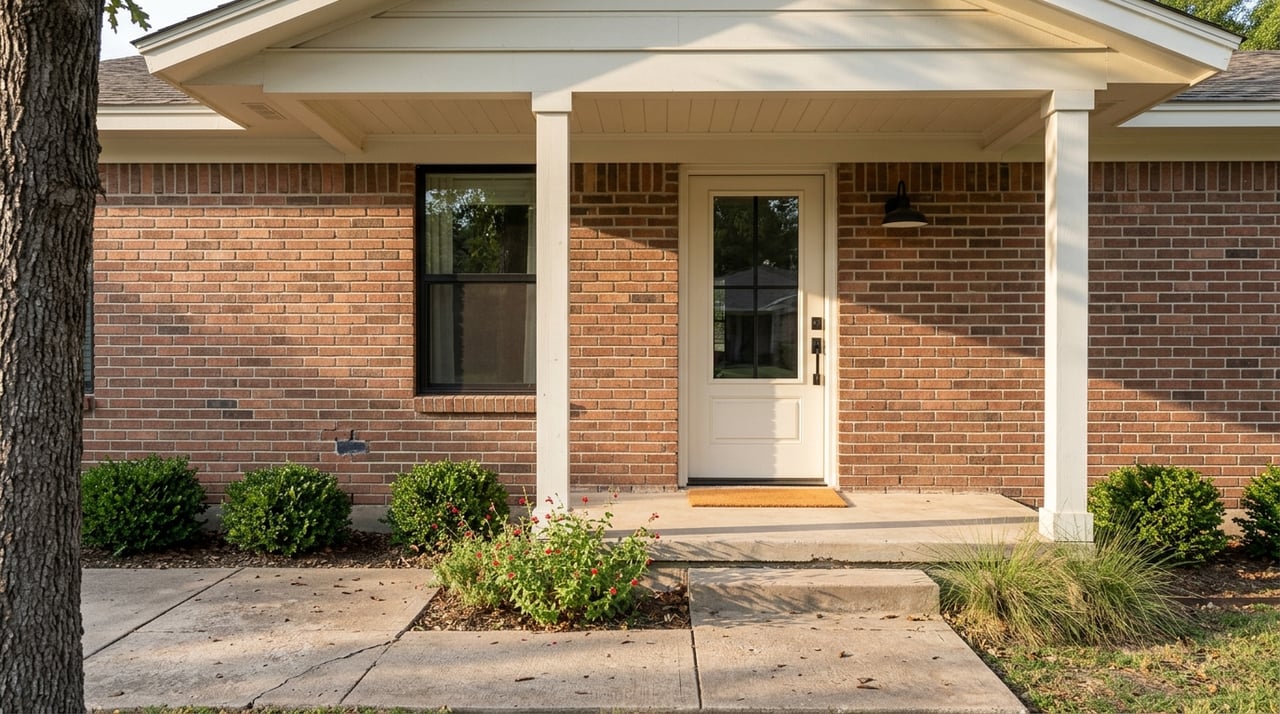
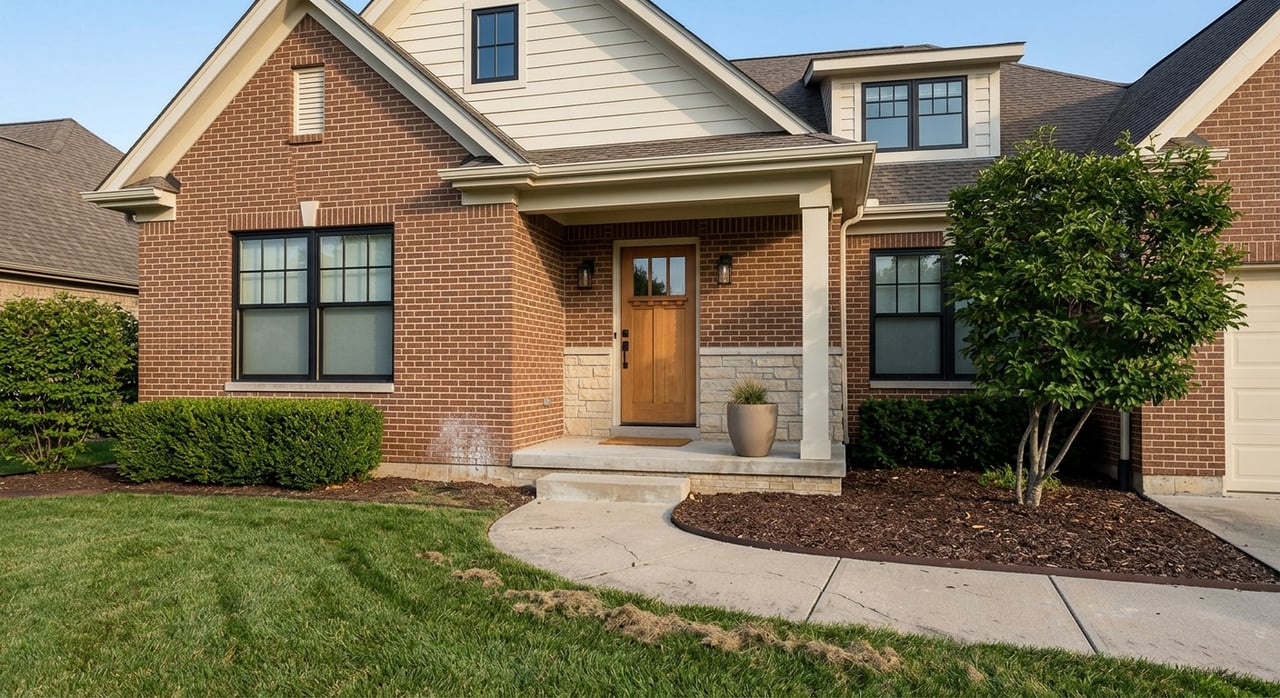
Inside or near Sulphur city limits you will see single‑story ranch homes, older character homes, and modest yards. These can be practical second homes with simpler upkeep and easy access to shops and services.
Cabins and small acreage
Wooded cabins, manufactured homes, and small acreage retreats are common. Many are marketed as weekend getaways and can be a good fit if you value privacy and a rustic setting.
Market snapshot and pricing expectations
Sulphur is a small market, so a few sales can swing published averages. Recent snapshots from multiple providers show a range in the mid‑$140,000s to roughly $225,000 for typical in‑town homes, with some sources placing the typical value near $163,000. Lakefront and cabin properties can price above the citywide mid‑range depending on location and amenities.
What matters most is the specific micro‑market for the home you are considering. Ask your agent for current, address‑level MLS comparables and a neighborhood read. In a small market, on‑the‑ground context can be the difference between a good deal and a missed one.
If you plan to rent part‑time
Short‑term rental (STR) potential exists because of steady park traffic and summer peaks. Third‑party tools, such as STR analytics snapshots for Sulphur, can help you benchmark average daily rates and occupancy. Use these as a starting point, then validate with actual booking histories for the specific property and a conservative off‑season plan.
Key drivers of rental performance:
- Location: Lake access or proximity to major attractions typically supports stronger demand.
- Seasonal occupancy: Expect summer peaks and quieter winters. Price and budget accordingly.
- Amenities: Parking, outdoor spaces, easy keyless entry, reliable internet, and pet‑friendly policies can influence bookings and reviews.
Rules, permits and taxes to check
Inside city limits: Confirm use and permits
If the property sits inside Sulphur city limits, start with City Hall. The City of Sulphur website and the searchable municipal code will help you verify whether vacation rental use is permitted, conditionally allowed, or not allowed in the parcel’s zoning district. Ask about any required STR registration, inspections, lodging taxes, or emergency contact rules.
If the property is outside city limits, county rules may apply. Some Oklahoma counties have limited zoning, so call to confirm what applies to the specific address.
HOA and private rules
If the property is in a subdivision or planned community, request the HOA bylaws or CC&Rs. Private rules can set minimum stays, limit parking, or prohibit STRs entirely, even if the city allows them.
State taxes on lodging
In Oklahoma, gross receipts from furnishing rooms and lodging are generally subject to state sales tax. Review the Oklahoma Tax Commission guidance and ask whether local hotel or lodging taxes apply at your property’s address. Some booking platforms collect certain taxes, but you are responsible for confirming registration, collection, and remittance for your situation.
Quick steps to stay compliant
- Call City Hall with the address and ask for the zoning designation and whether STR use is permitted.
- Ask if a business license, STR permit, or lodging tax registration is required and how to apply.
- If an HOA is involved, get written confirmation of rental rules.
- Keep a calendar of filing deadlines for any taxes due.
Operating a getaway from afar
Choose your ownership model
- Pure personal use: Keep it low‑maintenance, line up reliable local contractors, and set a simple seasonal checklist for winterization.
- Personal use plus occasional STR: Plan for guest turnover, cleaning schedules, key exchange, supplies, and a local emergency contact.
Property management fees and scope
If you prefer hands‑off operations, vacation rental managers commonly charge around 10 to 30 percent of rental revenue depending on services. Limited packages often fall in the 10 to 15 percent range while full‑service options with guest support, dynamic pricing, and turnover coordination are often 20 to 30 percent. For context on industry norms, review this overview of vacation rental management fees. Always request an itemized proposal that explains cleaning, supplies, payment fees, and damage protection.
Remote maintenance checklist
- Build a local team: a handyman, plumber, HVAC tech, roofer, and septic service if applicable.
- Cleaning coverage: secure cleaners with proven capacity for high‑season turnover and a backup plan.
- Smart systems: install smart locks, exterior cameras where legal, leak sensors, and a smart thermostat to catch issues early.
- Supplies and inventory: set a restock plan for linens, consumables, and quick‑replace items.
- Insurance: confirm with your insurer that occasional STR use is disclosed and covered. If the address is in a flood zone, secure flood insurance through NFIP.
Operating costs to model
Budget for utilities, cleaning, consumables, platform fees, property management, routine maintenance, seasonal HVAC service, insurance, and any state or local taxes. Use conservative income assumptions. Off‑season occupancy can be modest, so leave room for variability.
Due‑diligence checklist before you buy
Use this list to move from “I love it” to “I know it.”
Parcel and title
- City or county: Is the property inside Sulphur city limits or in unincorporated Murray County? This affects permits and who you call first.
- Access and easements: Ask the title company to confirm any access, easements, or right‑of‑way matters.
- Flood risk: Check the property at the FEMA Map Service Center and ask your lender or insurer about flood requirements and pricing. You can also review Murray County mapping updates via FEMA notices.
Zoning and rental permissions
- Parcel zoning: Confirm the zoning designation and whether transient lodging is permitted, conditionally permitted, or prohibited. Search the Sulphur municipal code.
- Permits and registration: Ask the City Clerk or Planning & Zoning office which permits, registrations, or inspections are required, plus timelines and fees. Find contacts and forms on the City of Sulphur website.
HOA and CC&Rs
- Rental rules: Verify minimum stay requirements, occupancy and parking limits, and any restrictions on exterior signage or trash handling.
Utilities and access
- Water and sewer: Is the home on city services or a private well and septic? Use the city’s forms and permits page and confirm details with the seller and county health.
- Internet: Confirm carriers and speeds at the exact address if you plan to host remote workers or rely on smart home systems.
Insurance and safety
- Coverage: Price homeowners insurance with STR use disclosed. If the parcel sits in a Special Flood Hazard Area, budget for flood insurance.
- Safety: Plan for smoke and CO detectors, fire extinguishers, and clear address signage. Some municipalities or HOAs require these.
Local team and references
- Services: Line up a property manager, cleaners, and emergency contractors. Ask for references and backup options for peak times.
Financials when renting
- History: If the property has been rented, request documented income and occupancy. If not, use third‑party benchmarks as directional inputs and model conservatively.
Negotiation protections
- Contingencies: Include contingencies for STR permissibility, HOA review, inspection of key systems like septic and foundation, and confirmation of flood insurance availability and cost.
Your first three steps
Ask your agent to gather parcel zoning, a FEMA flood‑zone printout, HOA documents, and any available STR history. The City of Sulphur can also help you verify zoning and permits.
Run the address through the FEMA Map Service Center to confirm flood status and save a copy for your file.
If renting is part of your plan, call City Hall and the Oklahoma Tax Commission to clarify permits and tax obligations. Then request two to three itemized quotes from managers and model revenue with conservative off‑season assumptions, using a Sulphur STR snapshot as a baseline.
Ready to explore cabins, lake cottages, or in‑town homes around Sulphur with a clear plan? Reach out to Makenzie Mcelroy for local guidance, address‑level comps, and a buying strategy that fits how you want to use your getaway.
FAQs
What makes Sulphur a strong second‑home location?
- You get easy access to the Chickasaw National Recreation Area and Lake of the Arbuckles, plus nearby Turner Falls Park, which support a relaxed lifestyle and create seasonal rental demand.
Can I run a short‑term rental inside Sulphur city limits?
- It depends on zoning and any local registration rules. Start with City Hall on the City of Sulphur site and search permitted uses in the municipal code, then check any HOA rules that may be stricter.
How much do vacation rental managers typically charge in Sulphur?
- Industry surveys show around 10 to 30 percent of rental revenue depending on services. Review an overview of common fee ranges and request itemized local proposals.
What price range should I expect for homes in Sulphur?
- Published snapshots vary due to small sales counts, but recent data suggests a mid‑range roughly between the mid‑$140,000s and about $225,000 for typical in‑town homes, with premiums for lake and cabin properties.
Which taxes apply if I rent my Sulphur home to guests?
- Oklahoma generally applies state sales tax to lodging, and local hotel or lodging taxes may also apply. Confirm details for your address with the city and review Oklahoma Tax Commission guidance.
How do I check if a property is in a flood zone in Murray County?
- Search the exact address at the FEMA Map Service Center and ask your lender or insurer how zone status may affect insurance and financing.